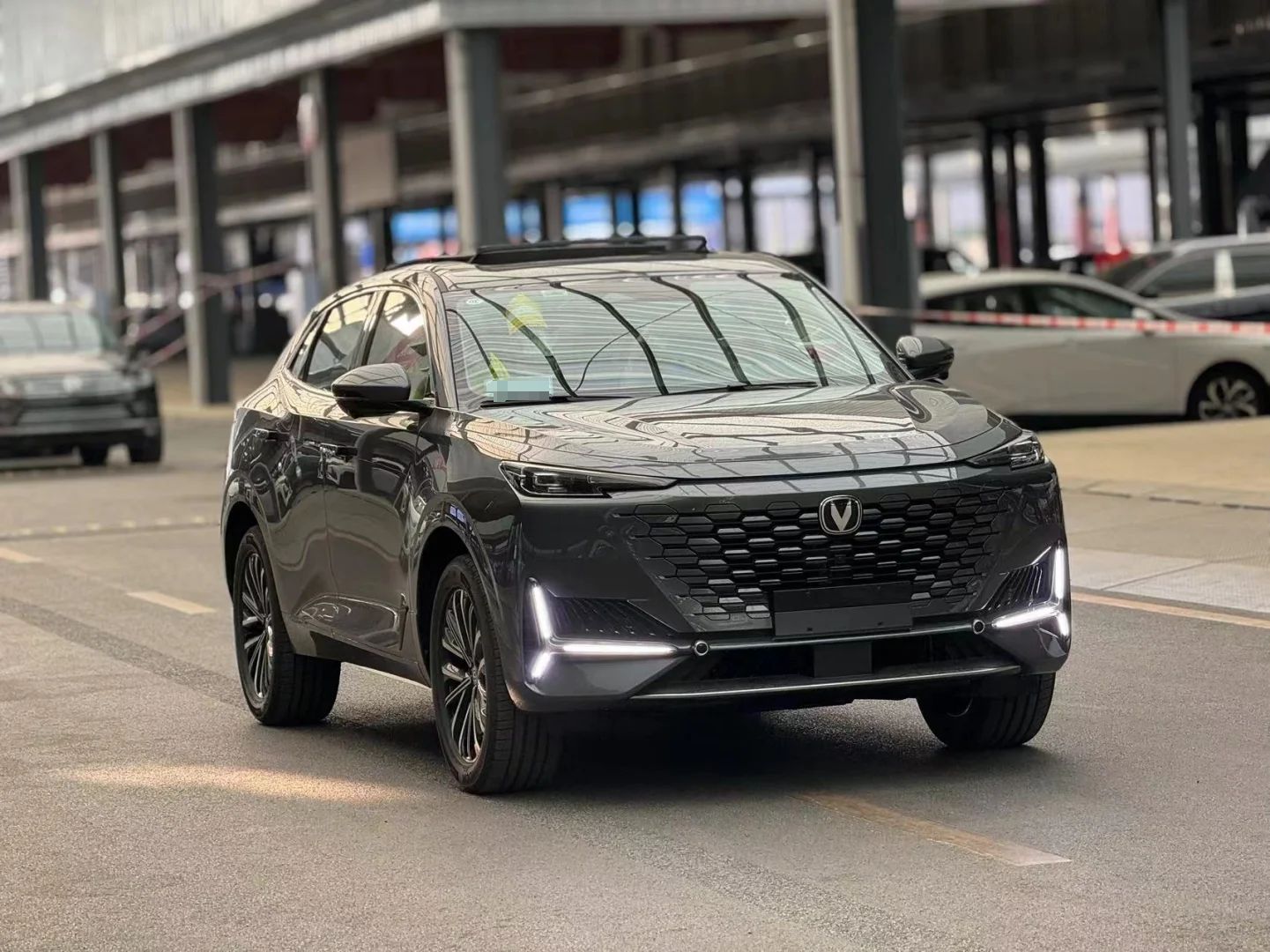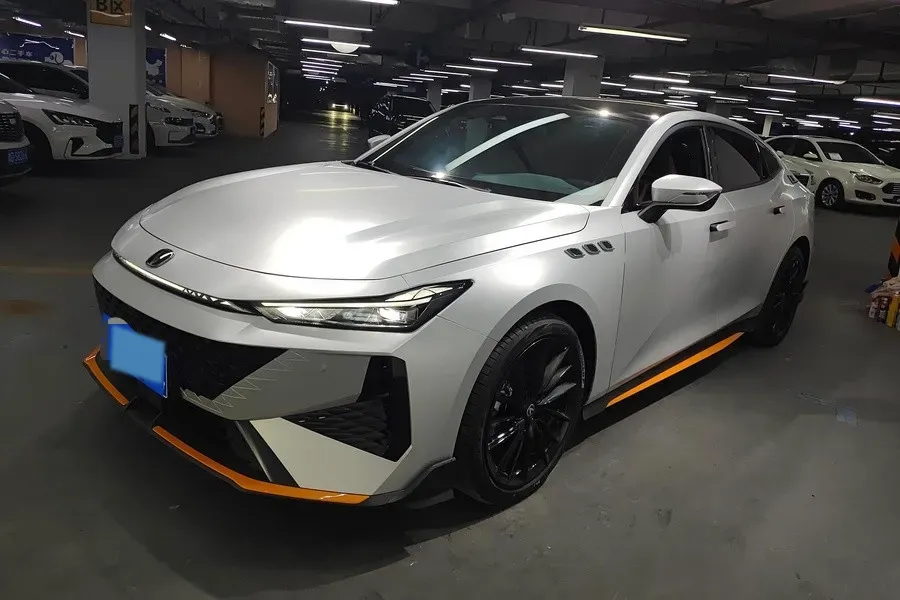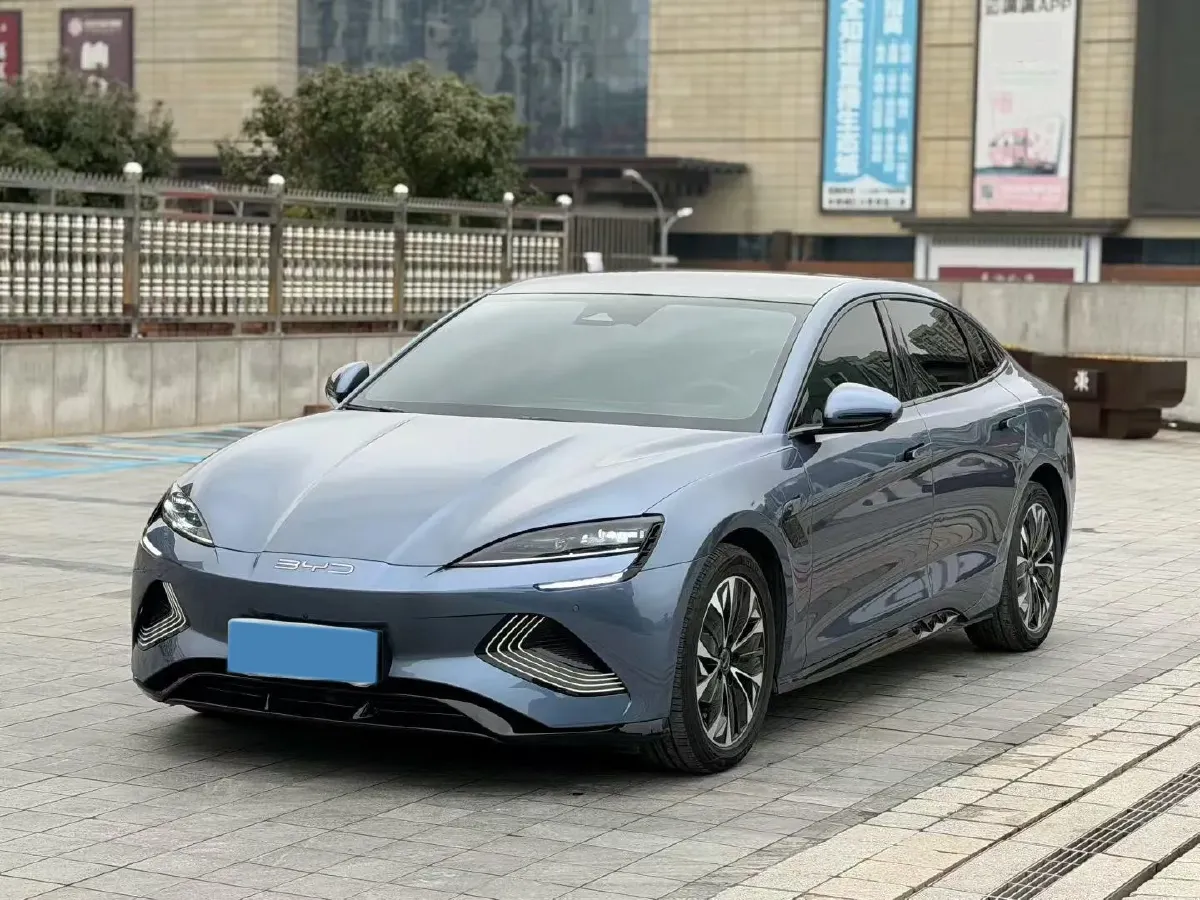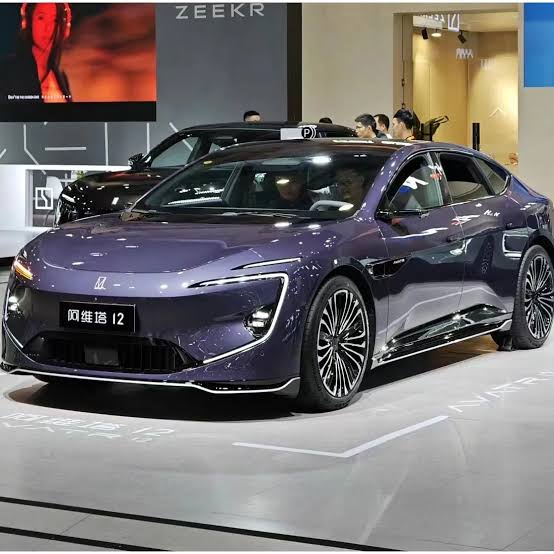
If you think Chinese cars are bad for the automotive industry, this is worth reading carefully. Because this is not actually a conversation about Chinese cars. It is a conversation about competition. And what happens to ordinary people when it disappears.
Start With the Numbers
A brand new 2026 Toyota Camry in America starts at around $30,000. A Lexus RX 350, around $53,000. A Mercedes AMG G63, close to $200,000. These are not numbers pulled from a different era. These are the prices of cars available today, in the world's largest consumer economy, from manufacturers who have had the luxury of operating in a market with limited serious competition for decades. Now ask the question nobody wants to answer directly: what happens to those prices when genuine competition arrives?
What Competition Actually Does
In economics, competition forces businesses to fight for your money. When new competitors enter a market with lower prices, more features and newer technology, established companies face a straightforward choice. Adapt, or lose customers. There is no third option that involves keeping prices high, moving slowly and watching the market share stay the same. That is exactly why the entry of Chinese automotive brands into global markets matters — not just for buyers who want a Chinese car, but for every buyer in every market where those brands compete.
When BYD, Geely, Chery, GAC and Changan enter a new market, they are not just selling vehicles. They are applying pressure on every other manufacturer in that market to deliver more value for the consumer's money. Better technology. More features. Greater efficiency. More competitive pricing. That pressure does not disappear when the customer chooses a Toyota or a Mercedes. It forces Toyota and Mercedes to work harder to keep them. That is healthy. For the industry. And for the people buying cars.
What Happens Without That Competition
Imagine the reverse. A global automotive market where a small number of established brands dominate without serious competitive pressure. Prices increase steadily because there is no lower-priced alternative forcing a ceiling on what the market will bear. Technology advances slowly because there is no competitor shipping features that make your current offering look dated. Consumers have fewer meaningful alternatives at each price point. Eventually, buying a brand new car becomes something only the wealthy can realistically afford.
The middle class is priced out of ownership. The entry-level segment disappears not because nobody wants those cars, but because no manufacturer has sufficient incentive to build them well and sell them cheaply. We are already seeing early signs of how seriously traditional manufacturers are taking this shift. Volkswagen has been undergoing significant restructuring as it confronts high production costs, underutilised factories and a growing competitive threat from Chinese manufacturers in European markets.
Chinese brands now account for a meaningful and expanding share of sales in markets where they barely existed five years ago. BYD, Geely, Chery and Leapmotor continue expanding globally, and each market they enter forces local manufacturers to respond.
The Part Most People Miss
You do not have to love Chinese cars for this to matter to you. You do not have to want one. You do not have to think they are better. You simply have to understand that their ability to compete fairly in global markets is what creates pressure on every other manufacturer to earn your money rather than simply rely on their badge.
Brand loyalty built on genuine quality is healthy. Brand loyalty built on the absence of alternatives is just captivity with better marketing. When competition increases, established manufacturers have to justify their prices, their technology, and their ownership experience against something the consumer could actually choose instead. That accountability produces better cars for everyone, regardless of which badge ends up on the bonnet.
Who Actually Wins
If the global automotive industry navigates this competitive shift well, the winner is not Toyota. It is not Mercedes. It is not BYD. It is the consumer. The goal was never supposed to be protecting a car manufacturer from competition. The goal is supposed to be ensuring that ordinary people can still afford a good car. A reliable, safe, technologically current vehicle that does not require a decade of savings or a compromise between quality and cost. Competition between manufacturers is the mechanism that keeps that possible. And right now, the pressure coming from Chinese automotive brands is the most significant competitive force the global industry has faced in decades. That is not a threat to the automotive industry. It is the automotive industry working exactly the way it should.
At Aladi Autos, we source, inspect and deliver vehicles across Nigeria — Chinese, Japanese, European and hybrid. Honest advice, no badge loyalty. Worldwide delivery available.