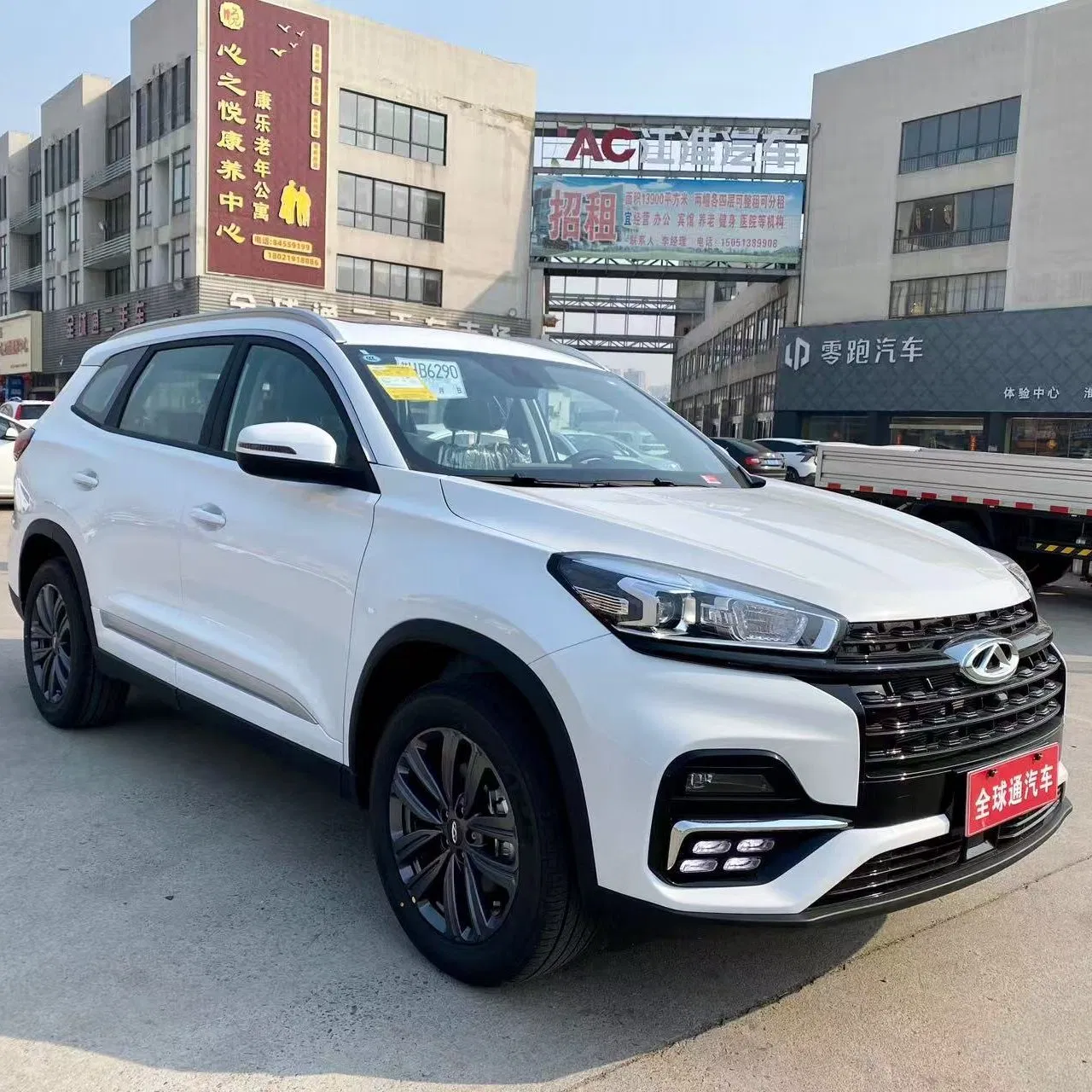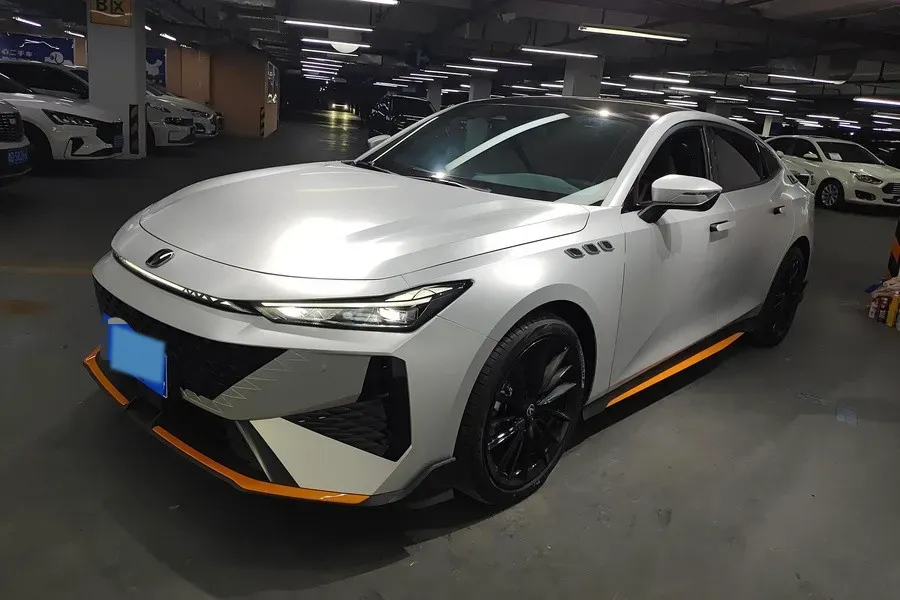
Everyone keeps asking the same question: why are Chinese cars suddenly everywhere? Wrong question. The right question is this — why are Chinese car brands embarrassing companies that have been building cars for over 100 years? Why is a company that made smartphones now producing one of the fastest production cars on earth? Why are brands most people couldn't name five years ago putting technology inside their vehicles that Mercedes and BMW are still writing on a roadmap?
That's the conversation nobody wants to have out loud. So let's have it.
You're Not Watching the Beginning. You're Watching the Survivors.
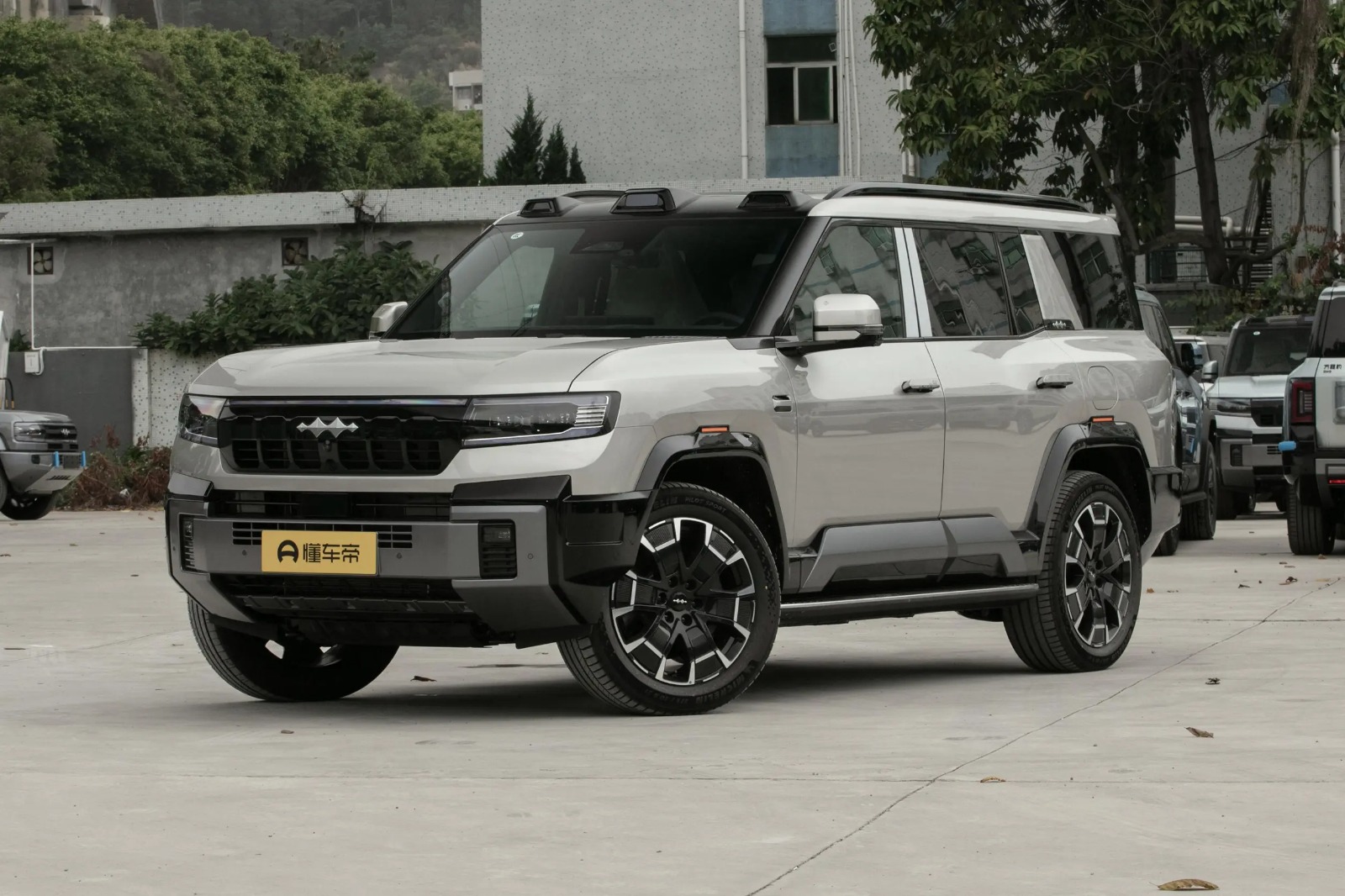
When BYD, Zeekr, NIO, Xiaomi, Li Auto, Jetour and Chang'an show up in your market, a lot of people assume they're watching a new story unfold. They're not. They're watching the end of a war. China had thousands of car companies. Thousands. Most of them are gone — shut down, absorbed, or simply beaten out of existence by competitors who were hungrier, faster, or smarter.
The brands still standing today didn't get there by being decent. You don't survive that kind of market by being decent. You survive it by being better than every other Chinese company that tried before you and failed. Think about what that actually means. These companies competed in a domestic market of 1.4 billion people — a market with no patience for average products, no loyalty built on nostalgia, and no room for brands that couldn't keep up. The ones that made it through that?
They didn't need luck. They needed to be genuinely, measurably, consistently better than everyone around them. And they were. That's why they're here.
BYD Doesn't Just Make Cars. They Make Everything Inside Them.
Let's start with BYD because they're the one most people know — and most people still underestimate. BYD makes the batteries. They make the software. They make the chips. They make the cars. All of it, under one roof. That level of vertical integration took Toyota decades to develop. BYD built it in years. Not because they copied it — because they had to. When you're competing in China's auto market, you don't have the luxury of depending on someone else's supply chain. You either control your costs or you die. So they controlled everything.
The result is a company that can move faster than anyone who depends on external suppliers, cut costs that no Western manufacturer can match, and iterate on their technology in months rather than years. When global chip shortages were crippling car production across Europe and North America, BYD barely flinched. Because they make their own chips. That's not luck. That's what a decade of being forced to solve hard problems looks like.
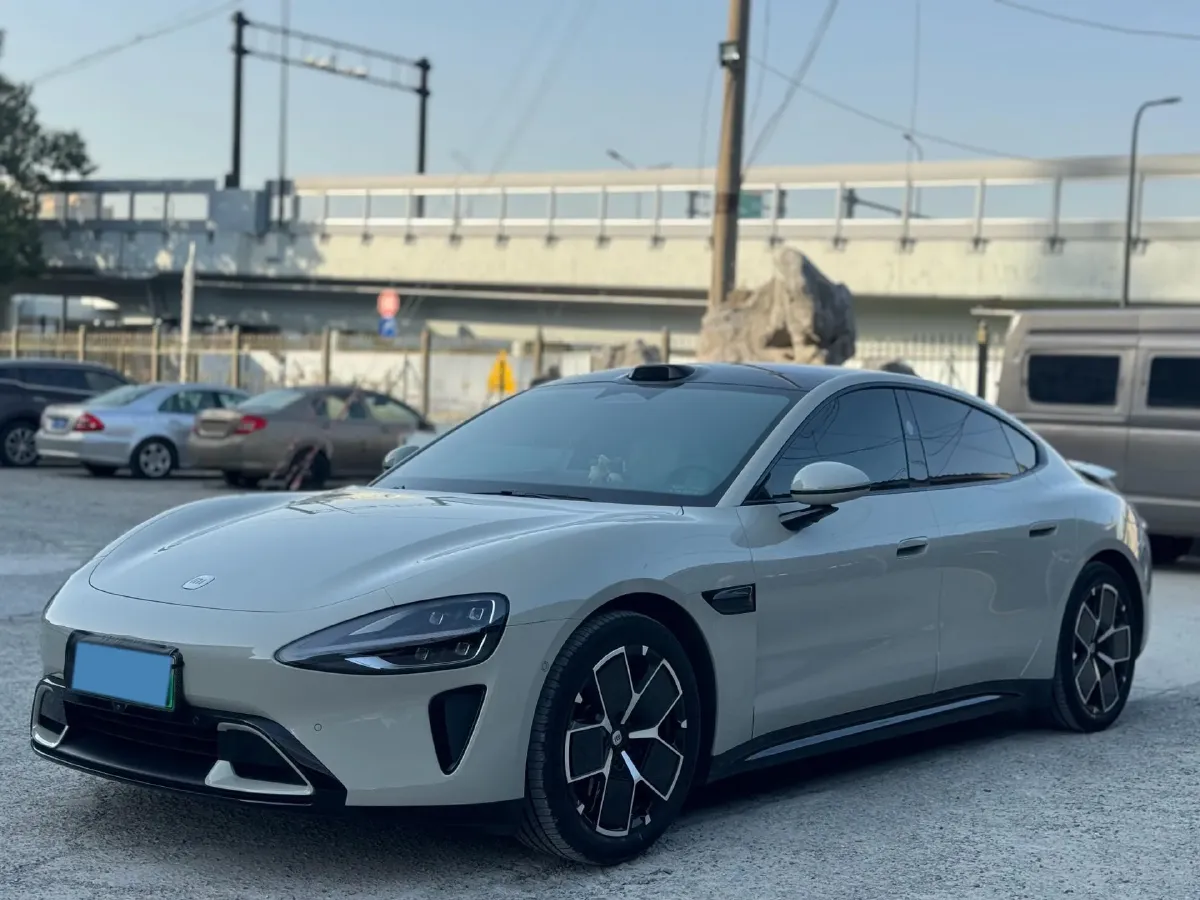
Xiaomi Went From Making Phones to Making One of the Fastest Production Cars on Earth
Here's the one that really should make traditional automakers uncomfortable. Xiaomi — yes, the phone company — entered the car market and within a relatively short time produced the SU7, a vehicle that broke performance records and sold out almost immediately.
Not because Xiaomi got lucky with a car. But because the engineering culture that made them a powerhouse in consumer electronics was simply pointed at a different problem. When you've spent years building devices that need to be simultaneously cheap, fast, reliable, and technologically competitive — when that's your entire operating model — moving into electric vehicles isn't actually that big a leap. The motor is different. The software challenges aren't. The battery integration isn't. The user experience design isn't.
Xiaomi already knew how to build things people actually want to use. They just built a bigger one. The Western auto industry spent decades treating software as an afterthought bolted onto hardware. Chinese EV companies treat it the other way around. And in an era where the car is becoming a computer with wheels, that distinction matters enormously.
NIO and Zeekr Are Shipping Technology That Europe Is Still Promising
NIO has a battery swap network — pull in, swap your depleted battery for a full one in under five minutes, drive away. No charging wait. No range anxiety. Just done. Mercedes doesn't have that. BMW doesn't have that. They've talked about it. They have slides about it. NIO has the actual infrastructure.
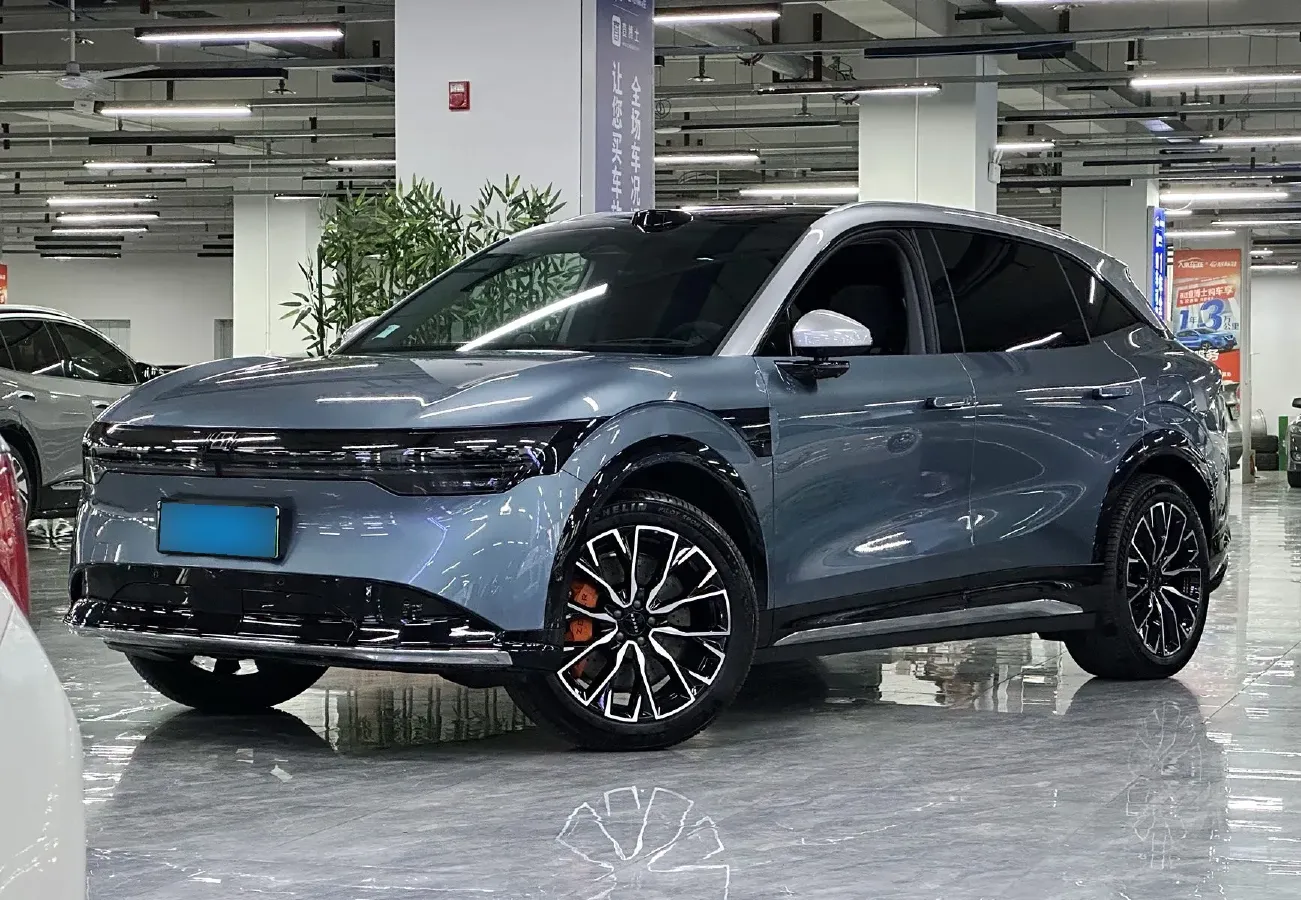
Zeekr is putting hardware and software into their vehicles that makes the in-car experience feel genuinely different — not "different for a car," but different compared to the best consumer technology products available. The kind of thing that makes you realise how much time the legacy brands spent competing against each other rather than thinking about what the customer actually wanted.
None of this happened because Chinese brands had an easy road. It happened because they had a hard one. They had to be this good to still be standing.
People Said the Same Thing About TikTok
There's a pattern worth noticing here. When TikTok appeared, the response from the tech world was largely dismissive. A Chinese app. Short videos. Something teenagers use. Not a serious competitor to established platforms with billions of users and decade-long network effects.
Then TikTok became so dominant that the most powerful government on earth moved to ban it. Not because it was a fad. Because it won. The people who laughed at it in 2019 were the same people scrambling to copy its format by 2022. Instagram Reels. YouTube Shorts. Snapchat Spotlight.
Every major platform rebuilt itself around the thing they said wouldn't last. Chinese car brands are at the 2019 stage of that conversation in many Western markets. The dismissals are familiar. "But it's Chinese." "Can you really trust the quality?" "It won't hold its resale value." These are the same sentences, aimed at a different product, by people who haven't looked closely enough.
The Uncomfortable Truth About "But It's Chinese"
Let's be straight about what's actually happening when someone says "but it's Chinese" as a reason not to consider a car. Sometimes it's a genuine quality concern — fair enough, do your research, look at the specific model and its track record. But a lot of the time? It's pattern recognition that stopped updating. It's an instinct formed when "Made in China" genuinely did mean something different — before China became the world's largest EV market, before Chinese manufacturers started winning on technology rather than just on price, before BYD outsold Tesla in multiple quarters.
The brands being dismissed today are the ones that survived a competitive war most Western companies have never had to fight. They competed harder, moved faster, and built more aggressively than any legacy automaker has had to in living memory. Toyota took sixty years to get where it is. These companies did it in fifteen.
That doesn't mean every Chinese car is automatically good. Condition still matters, inspection still matters, sourcing matters — which is exactly why buying blind is the biggest mistake you can make regardless of what badge is on the car. But the badge alone is not the argument it used to be.
The Question Isn't Whether They're Coming. They're Here.
BYD is already the best-selling EV brand on earth. NIO's battery swap network has completed tens of millions of swaps. Xiaomi's first car sold out. Zeekr's technology is getting written about in the same breath as Porsche. The question now isn't whether Chinese car brands are coming. They came.
The real question is whether buyers, dealers, and traditional automakers are genuinely ready for what the next ten years look like. Because if the last fifteen years are any indication — most people are going to be surprised.
The brands you're underestimating today have already survived something you never saw. They tend not to lose twice.
At Aladi Autos, we source, inspect and deliver Chinese EVs and affordable SUVs across Nigeria. If you want honest advice on which models are worth your money and which ones aren't so reach out and let's talk.