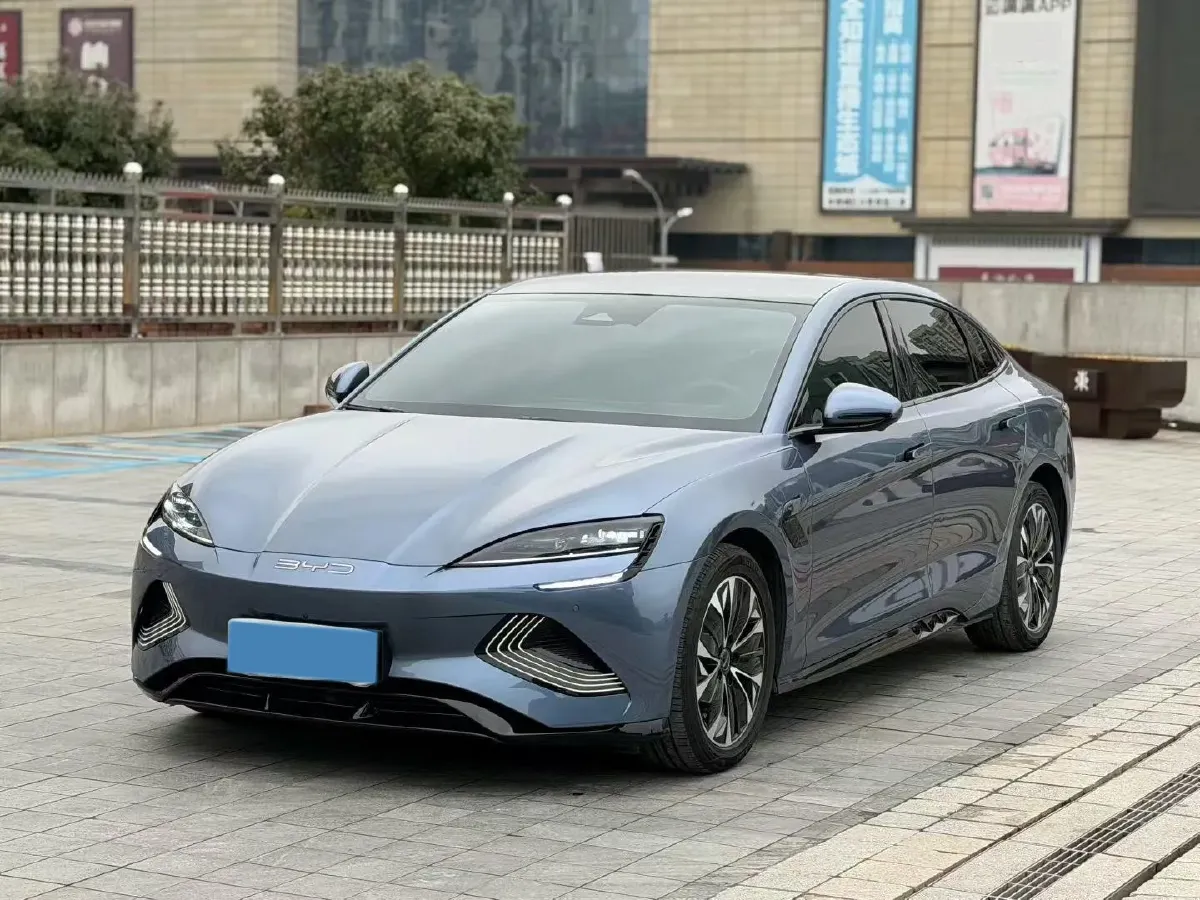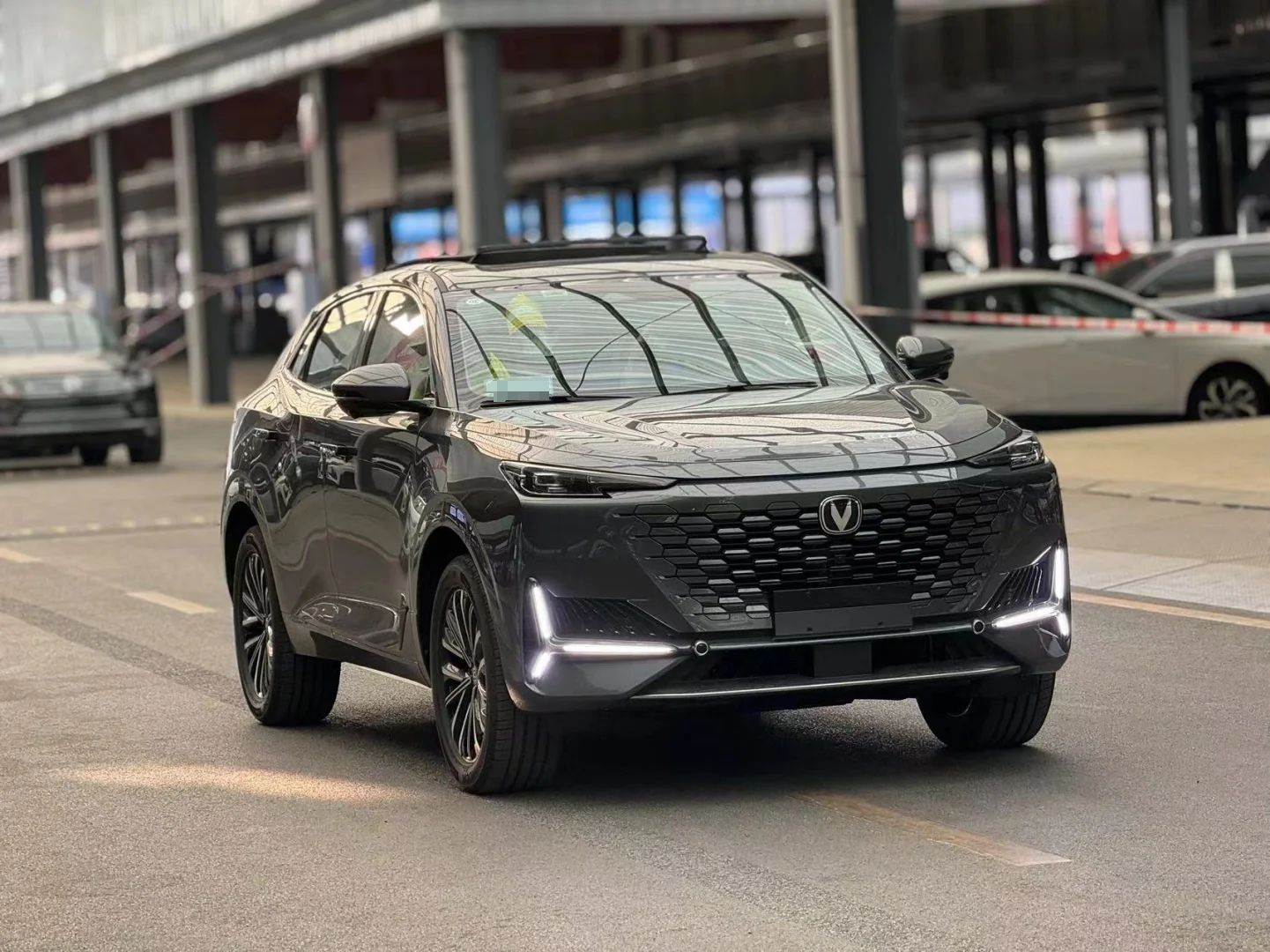
Every time electric cars come up in a Nigerian conversation, someone says it. "But what about our roads?" "What happens when it rains?" "What if I drive into a flood?" These are fair questions. They deserve real answers — not the usual "the future is electric, adapt or die" speech, and not the panicked "don't risk it, stick to what you know" response either. So let's actually go through it.
First: Modern EVs Are Sealed Better Than Most Fuel Cars You're Already Driving
Here's something the panic conversation skips over entirely. Electric vehicle battery packs don't just sit exposed under the car hoping water stays away. They're sealed. Properly sealed — with high-level waterproofing built in from the design stage, because manufacturers know that water and high-voltage batteries in the same place is one of the worst outcomes possible. They engineered against it. Most modern EVs carry an IP67 or IP68 rating on their battery systems. That means they've been tested for dust and water intrusion at levels that would destroy the average fuel car's electronics without breaking a sweat.
The result? Many EVs can drive through flooded roads — within reasonable depth limits — the same way fuel cars can. Not magically better. Not catastrophically worse. About the same. Sometimes better. And let's be direct about the fuel car situation, since we're being honest here. A lot of fuel cars in Nigeria already fail in floods. Hydro-locked engines — where water enters the intake and the engine tries to compress something it physically can't compress, bending rods, cracking blocks, writing off motors. Destroyed transmissions. ECU damage from electrical shorts. Fuel system contamination. We've all seen it. Most of us know someone it's happened to.
The difference isn't that fuel cars handle floods better. The difference is that people are emotionally used to fuel cars failing. It's familiar damage. It hurts, you fix it, you move on. But the moment electricity is involved, everyone suddenly becomes an engineer with very specific concerns. Fear isn't engineering. Let's separate the two.
Rough Roads: Why Electric Motors Actually Have an Advantage Here
This is the part of the conversation that really doesn't get enough attention. Electric motors have fewer moving parts than traditional combustion engines. No engine oil dependency. No complex gearbox with dozens of components under constant stress. No delayed gear shifts while the transmission figures out what you want. Just instant torque, delivered directly, the moment you press the accelerator. That instant torque delivery also means better traction control. When one wheel loses grip on a bad road, the system responds in milliseconds — not the fraction of a second it takes a mechanical system to react, but genuinely faster than that. This is part of why some of the world's most capable off-road vehicles are now electric.
Take the BYD Yangwang U8. Four independent electric motors — one at each wheel. That means each wheel can be controlled individually, with precision no traditional drivetrain can match. It can do tank turns. It has advanced suspension that adapts to the terrain. And in emergency flood situations, it can literally float. Float. In water. That's not a marketing line. It's a function built into the vehicle.
Traditional SUVs with all their ground clearance and four-wheel drive systems are struggling to match what electric powertrains make possible. The roads people think will break EVs are, in many cases, roads that EVs are structurally better suited to handle than what people have been driving on them for years.
The Problems Nigerians Already Accept — But Nobody Talks About the Same Way
Let's have this conversation properly. Mercedes steering rack failures. Toyota transmission hesitation. Honda CVT issues that turn into very expensive repairs. Lexus air suspension failures that leave you sitting lower than you planned. Engine knocking from fuel quality that's below spec. Gearbox repairs that cost millions of naira and leave your car at a mechanic for weeks. These are things Nigerians deal with constantly.
The conversations happen — "my mechanic said the gearbox needs to be replaced," "the ECU is giving issues," "the suspension has been making noise since I bought it" — but they don't carry the same existential weight as conversations about electric cars. Nobody is going viral asking "but can a Mercedes handle Nigerian fuel quality?" even though bad fuel has killed more engines in this country than flooding ever has.
The fear applied to EVs isn't based on EVs being uniquely fragile. It's based on EVs being unfamiliar. And unfamiliar things always feel riskier than familiar ones, regardless of what the actual data says.
What the Global Testing Data Actually Shows
Modern EVs don't get tested under ideal conditions and then shipped to customers hoping for the best. They get tested in cold weather that drops batteries below optimal operating temperature. In snow and ice. On off-road terrain that makes Ore-Sagamu look like a motorway. In desert heat. Under battery stress testing that simulates years of charge cycles in accelerated time. Manufacturers hammer these things before they sign off on them, because the reputational and financial cost of high-profile failures is too high to risk.
Millions of people globally drive EVs through conditions most Nigerians will never encounter. Scandinavians drive them through winters that make harmattan look like a mild inconvenience. Desert regions drive them through heat that would cause serious range issues in early-generation batteries.
These cars have been tested by the real world across climates and terrains that Nigeria doesn't come close to representing as a worst case. Does that mean drive carelessly into deep flood water? No. But that advice applies equally to fuel cars. You shouldn't drive a Camry into a flood either. The rule isn't "EVs can't handle water." The rule is "cars — all cars — have depth limits, and exceeding them has consequences." That rule did not change because the engine is electric. The specific fear about EVs and Nigerian roads is mostly fear. Not fact.
Not Ready to Go Fully Electric? That's Exactly What Hybrids Are For
Here's what most people miss when they dismiss EVs as "not for Nigeria yet." You don't have to go fully electric to benefit from electric technology. Hybrids exist specifically for this situation. You want the efficiency and reduced engine stress of electric power without fully committing to a battery-only vehicle. You still have a fuel engine as backup. You still stop at a petrol station like normal. But the electric motor is doing meaningful work — reducing fuel consumption, smoothing the drive, taking pressure off the engine during low-speed conditions like Lagos traffic.
Less engine stress means fewer engine problems. Better fuel efficiency means less spent at the pump weekly. Smoother power delivery means a more comfortable drive on roads that punish traditional drivetrains. There are four main types of hybrids — mild, full, plug-in, and range extender — and most people genuinely don't know the differences or which one suits their situation. We've covered that in detail separately, because the distinction matters when you're spending serious money.
The choice isn't binary. It's not "fully electric now" or "stick with a 2012 fuel car forever." There's a whole range of technology between those two points, and most of it is available at sensible prices right now.
The Real Reason People Are Nervous About EVs in Nigeria
Let's be honest about what's actually happening. People are emotionally attached to what they grew up with. That's not a criticism — it's just how humans work. The car your father drove, the sound of a petrol engine, the smell of fuel, the mechanical feel of a gear shift — these things are wrapped up in decades of familiarity.
They feel safe because they're known. Electric cars don't have that history in Nigeria yet. So every real question — about floods, about roads, about maintenance — gets amplified by the discomfort of the unfamiliar. Every potential problem gets compared not to the actual problems of fuel cars, but to the idealised, never-breaks version of fuel cars that exists in people's heads rather than in reality.
The future isn't waiting for Nigeria to be ready. It didn't wait for anywhere else either. People in every market EVs entered went through this exact conversation — the doubts, the "but what about our specific conditions" questions, the emotional resistance. And then the cars just worked. And people drove them. And the conversation moved on. It'll move on here too.
At Aladi Autos, we source, inspect, and deliver EVs and hybrids across Nigeria. If you want honest guidance on which electric or hybrid model suits your driving conditions, budget, and lifestyle — reach out. We'll give you the real picture, not the sales pitch.