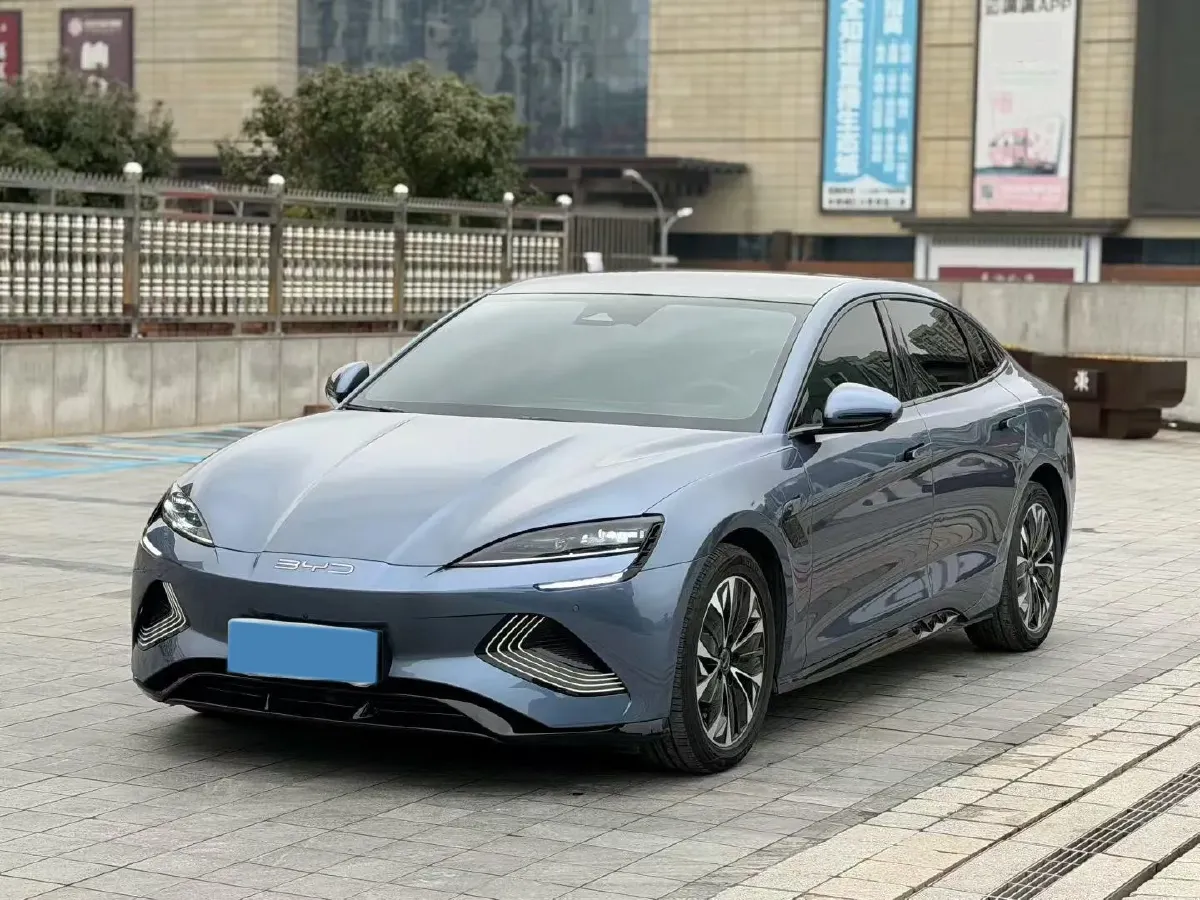
Everyone keeps asking the wrong question. The question people ask is: why are Chinese cars suddenly everywhere? The question they should be asking is: why are Chinese cars embarrassing companies that have been building cars for over 100 years? Those are very different questions. And the second one has an answer that most people are not comfortable sitting with.
You Are Not Watching the Beginning. You Are Watching Who Survived.
When BYD, Zeekr, NIO, Xiaomi, Li Auto, Jetour and Changan show up in your market, it is tempting to treat it as a new chapter. An emerging story. A bet on something unproven. That is the wrong frame entirely. China had thousands of car companies. Thousands. Most of them no longer exist. They were outcompeted, absorbed, or simply beaten into irrelevance by rivals who were faster, sharper and more relentless. The brands standing today are not the ones that got lucky. They are the ones that survived one of the most violent business competitions in modern history — a domestic market of 1.4 billion people with zero tolerance for mediocrity and no loyalty to protect an average product.
You do not win that market by being decent. You win it by being genuinely better than every competitor that came before you and failed. The brands now appearing in showrooms in Lagos, London and Los Angeles earned their place in a war most of the world never watched.
What Surviving That Market Actually Produces
BYD does not just build cars. They manufacture the batteries, develop the software, produce many of their own semiconductor chips, and assemble the vehicles — all under one roof. Toyota spent decades building that level of vertical integration. BYD did it in years. Not because they had more resources. Because they had no choice. In China's auto market, depending on external suppliers for your most critical components is a vulnerability that competitors will exploit. So they eliminated the vulnerability. Xiaomi went from making smartphones to producing one of the fastest production cars on earth. Not because they stumbled into it. Because the engineering culture that made them dominant in consumer electronics — obsessive iteration, hardware and software treated as one problem, cost discipline at scale — was simply pointed at a different challenge.
The car was a new problem. The capability to solve it was already there. Zeekr and NIO are shipping technology inside their vehicles that Mercedes and BMW are still describing in press releases as coming soon. The LiDAR systems, the software-defined vehicle architecture, the battery technology — these are not promises. They are in production cars you can buy today.
The TikTok Reminder Nobody Wants to Hear
There is a pattern worth recognising here. When TikTok arrived, the response from the technology world was largely dismissive. A Chinese app for short videos. A Gen Z distraction. Not a serious competitor to platforms with billions of users and decade-long network effects built into every aspect of how the internet worked. Then TikTok became so dominant that some of the most powerful governments on earth moved to ban it. Not because it was a novelty. Because it won. The platforms that laughed at it in 2019 spent the following years rebuilding themselves around the format it created — Instagram Reels, YouTube Shorts, every major platform scrambling to copy what they had dismissed. The people saying "but it's Chinese" about BYD and Zeekr today are saying the same thing, about a different product, at an earlier point in the same story.
What These Brands Actually Did
The brands being written off today competed harder, moved faster and built more aggressively than any Western car company has had to in living memory. Western automakers spent decades competing against each other in markets where the rules were relatively stable, consumer loyalty was built on heritage, and the pace of change was slow enough to absorb. That environment produces competent companies. It does not produce companies that know how to win under genuine existential pressure. Chinese auto brands grew up in the opposite environment. Every year brought new competitors.
Every product launch was a test that determined whether the company survived. Every engineering decision had to work, because the market had no patience for the ones that did not. Toyota took sixty years to reach its current position. The leading Chinese brands did it in fifteen. That gap is not a coincidence. It is the output of a different kind of pressure, applied over a shorter time, to companies that had no option except to get better faster than anyone expected.
The Question That Actually Matters Now
The question is not whether Chinese car brands are coming to your market. They are already here. The question is whether buyers, dealers and legacy manufacturers are genuinely prepared for what the next decade looks like — because if the last fifteen years are any indication, most people are going to be surprised again. The brands being dismissed today survived something the companies dismissing them never had to face. They tend not to lose the same battle twice.
At Aladi Autos, we source, inspect and deliver Chinese EVs, hybrids and SUVs across Nigeria. If you want honest guidance on which brands and models are worth your money, reach out.