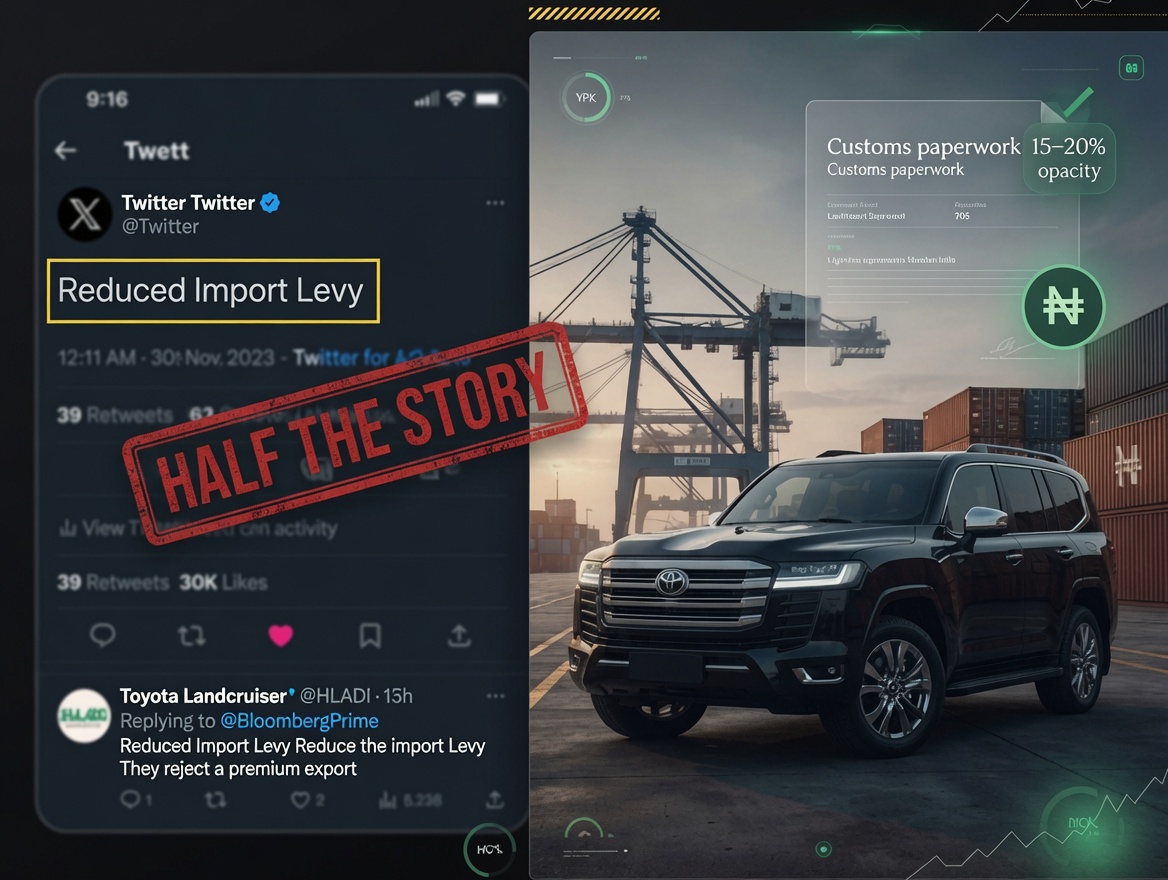
One of the most common complaints in the Nigerian car market sounds like this: "I bought this car for 38 million naira, drove it for a year, and they want to give me 20 million. These people are trying to cheat me." It is one of the most frustrating experiences a car buyer can have. And it is almost always misunderstood. Nobody cheated you. That is just how the maths works. And once you understand it, you start making very different decisions about how you buy cars.
Why the Offer Is Lower Than You Expect
Let us use a real example. You buy a GLE 350 from a local dealer in Nigeria for 38 million naira. You enjoy the car for about a year, decide you want to upgrade, and go back to sell it. The dealer inspects the car and offers you somewhere between 20 and 22 million naira. Your first instinct is that something is wrong. But here is what is actually happening. That same GLE 350 you bought for 38 million naira probably landed in Nigeria for somewhere around 24 to 25 million naira before the dealer added their markup, covered their operating costs, and built in their profit margin.
So the question you have to ask yourself is this: why would any businessman buy back your used Nigerian car for more than it would cost him to import another clean one directly? He would not. And neither would you if the situation were reversed. That is not cheating. That is how every business works, in every industry, in every country. The depreciation you felt so sharply was not just the car losing value. It was the retail markup unwinding. You paid 38 million for a car with a real market value closer to 24 to 25 million, and when you tried to sell it back into that same market, the gap became visible all at once.
How Importing Changes the Equation
Now imagine a different version of the same story. Instead of buying locally, you imported that exact same GLE 350 yourself for around 24 to 25 million naira. You drive it for a year. Then you decide to sell. You are now selling a car you bought much closer to its actual market value. When a dealer offers you 20 to 22 million naira, the gap between what you paid and what you are being offered is a fraction of what it would have been.
The depreciation is still real — cars lose value, that part does not change — but it does not feel like a collapse because you did not pay a significant retail premium on top of the landing cost in the first place. That is one of the most significant financial advantages of importing that most people never think about when they are making the initial purchase decision. They are focused on the car, not on how the numbers will look in twelve to eighteen months when it is time to move on.
This Is Also Worth Thinking About as a Business
If you have ever considered cars as an investment or a business, this same logic applies directly. The margin between what a car costs to land and what it sells for at retail is where the business lives. Understanding that gap — and how to operate closer to the actual cost rather than the retail price — is the difference between making money on cars and losing it. That is a longer conversation, but the principle is the same one that applies to buying a car for personal use. Closer to cost means more flexibility, more room, and less pain when it is time to exit.
Buying Locally Is Still a Valid Choice
None of this is an argument against buying from local dealers. There are real advantages to buying what is already available in Nigeria. You get the car immediately, without waiting for shipping timelines or clearing processes. In some cases you get financing options or after-sales support that importing does not provide. You know exactly what you are getting and when you are getting it, which has real value depending on your situation.
The point is not that local buying is wrong. The point is that if your primary goal is to get the best value for your money and reduce how much you lose when it is time to sell, importing is worth understanding properly before you write it off as complicated or risky. Most people who dismiss importing have never actually looked at the numbers side by side. Once you do, the conversation changes.
The Myth About Chinese Cars and Resale Value
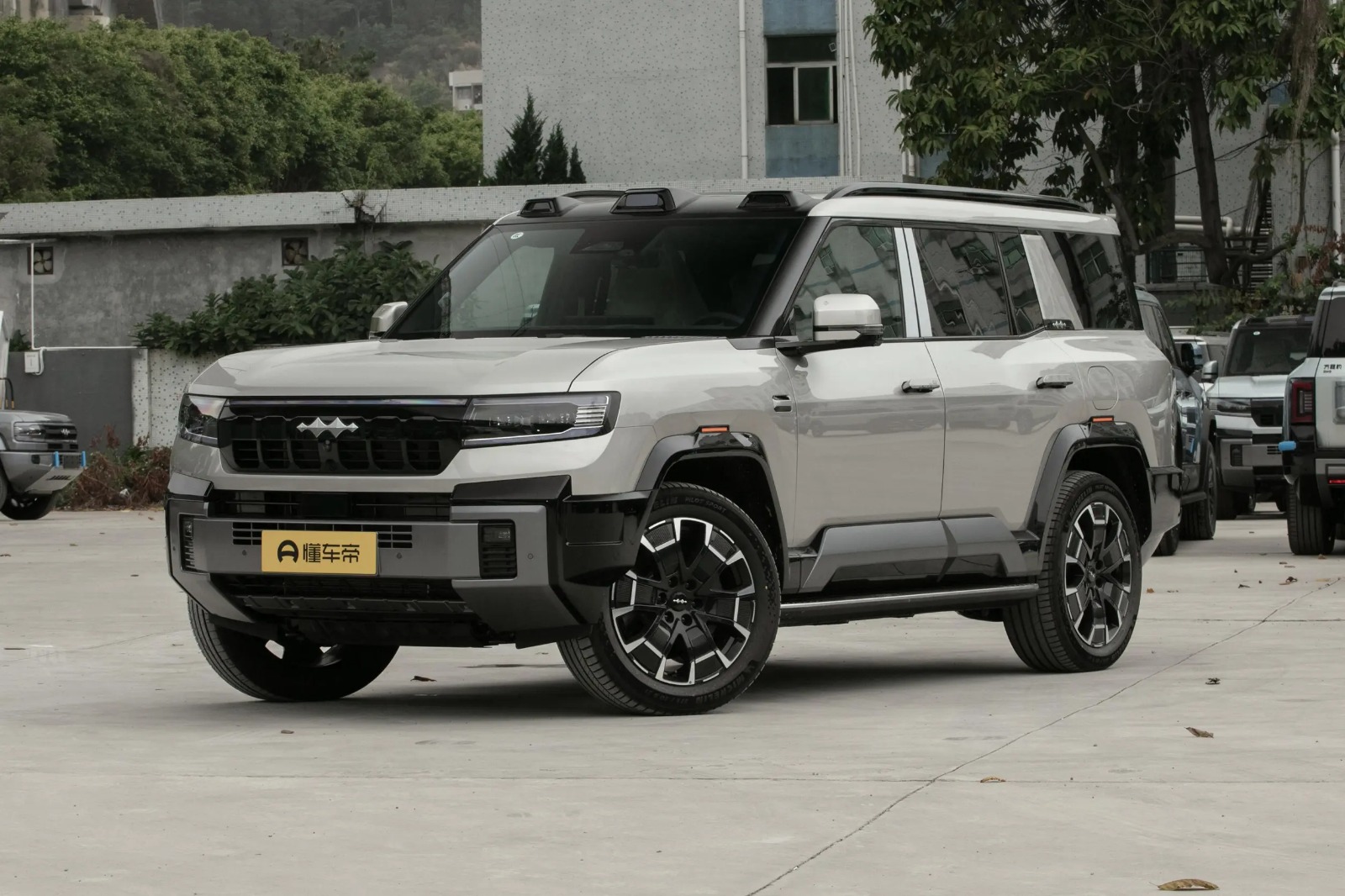
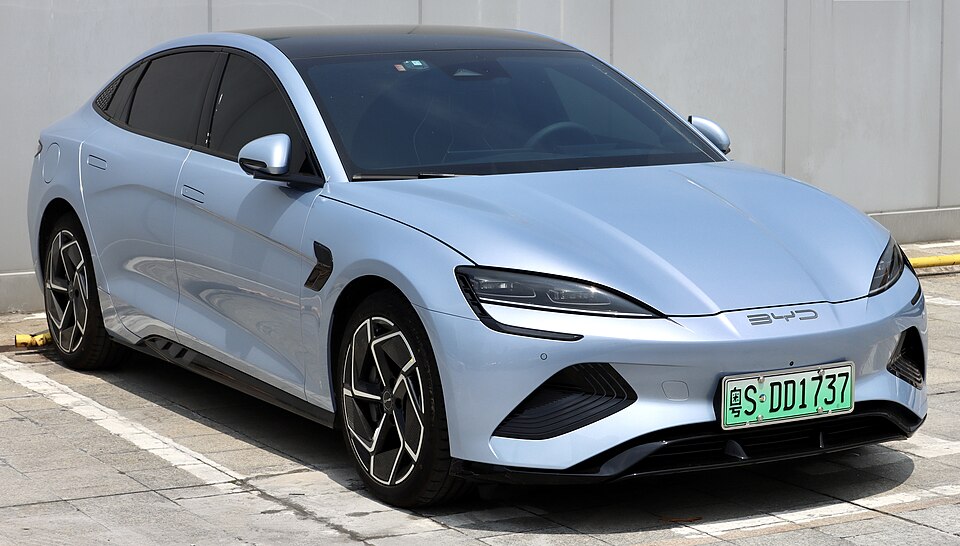
One more thing worth addressing while we are here. A lot of the conversation about Chinese cars having poor resale value in Nigeria follows the same logic that makes the GLE example painful. When buyers pay a high retail markup on a Chinese SUV and then try to sell it a year later, the gap looks dramatic. But the gap is not uniquely a Chinese car problem. It is a retail markup problem. A buyer who imported a Chinese SUV closer to its actual landing cost will have a very different resale experience than one who paid a significant premium through a local dealer. The car is the same. The starting point is what changes everything.
At Aladi Autos, we help buyers get closer to the real cost of the car they want. We source, inspect and deliver — and we give you the honest numbers before you commit, not after.