There is a mistake we see EV and PHEV owners make again and again, usually right after they buy the car. They install a fast charger at home. It feels like the sensible thing to do. You spent serious money on an electric vehicle, so surely you want the quickest charging money can buy. But for daily home use, that instinct works against you. Let us explain why.
What We Just Installed
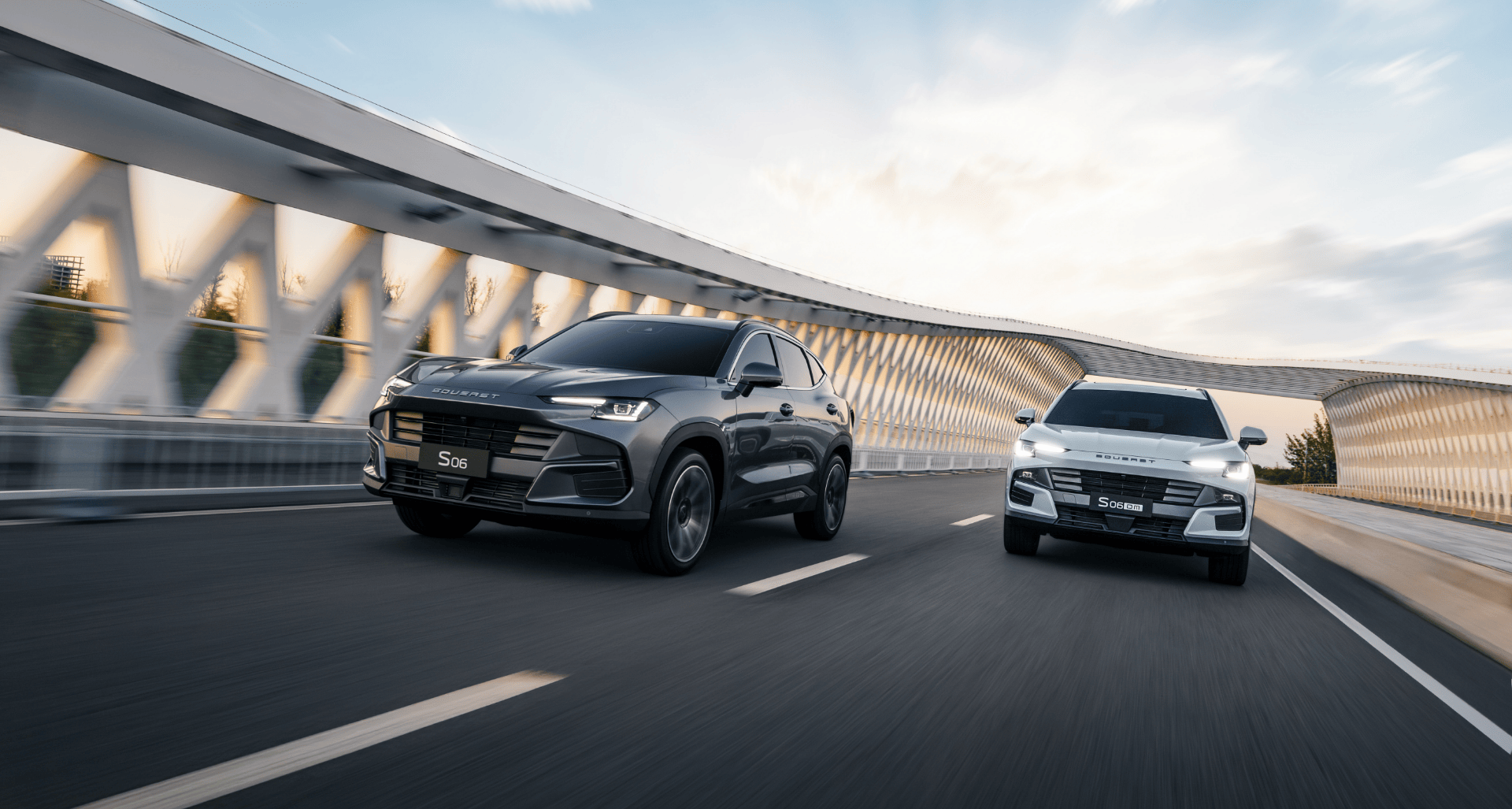
We recently installed a 7 kilowatt home charger for one of our clients who bought a 2025 Jetour T2 PHEV from us. The T2 gives you roughly 120 to 150 kilometres of electric range. With the 7 kilowatt charger, the car goes from around 20 percent to full in roughly four hours. Four hours. For a car that spends all night parked in your compound. That is the whole point. You get home, plug in, have dinner, sleep, and wake up to a full battery. Nothing about that routine needs a faster charger.
Why Faster Is Not Better at Home
If your car sits at home overnight, there is no reason to charge it at maximum speed. You have hours to spare, and speed you do not need is speed you should not pay for. Ultra fast DC chargers have a job, and it is a specific one. They are built mainly for occasional use, when you are travelling and need to get back on the road quickly. A long trip, a quick top up on the highway, a stop where every minute counts. That is where fast charging earns its place. For everyday home charging, slower AC charging is generally much gentler on the battery. Over months and years of daily use, that gentler treatment is exactly what you want for a component that is one of the most expensive parts of the car. This is also why many manufacturers supply relatively slow home chargers as their standard option. It is not a cost cutting decision. It is the right tool for the job they expect you to be doing.
The Power Source Matters More Than the Charger
Here is the part many new owners overlook. A 7 kilowatt charger is a serious electrical load. It is not like plugging in a phone, or even running a few air conditioners. Your power source has to be sized properly to handle it. For a generator or inverter setup, that means roughly 20 kVA or more, depending on what else you are powering at the same time.
If your home is already running air conditioners, a freezer, a water pump and lights on the same supply, the charger adds to that load rather than replacing any of it. Get this wrong and you will be dealing with tripped systems, an overworked generator, or a charger that cannot do its job. Get it right and the whole thing runs quietly in the background every night.
Look for Built In Protection
Not all home chargers are equal, especially in a country where voltage can behave unpredictably. Some quality chargers come with built in voltage regulation and protection. That gives your vehicle an extra layer of defence against the kind of supply fluctuations that Nigerian homes know very well. When you are protecting a car worth millions of naira, that is a feature worth paying for, and a much better use of money than extra charging speed you will never use.
The Simple Rule
Just because you can afford a faster charger does not mean you should install one. For home charging, slow and steady makes a lot more sense. Gentler on the battery, easier on your power setup, and more than fast enough for a car that sleeps at home every night. Save the ultra fast chargers for the road trips where they actually matter.
Need a Home Charging Setup?
If you have bought an EV or PHEV and need a proper home charging installation, Aladi Autos can help. We will work out the right charger and the right power setup for your car and your home, so you are not guessing.