A brand new 2026 Toyota Camry in Nigeria today costs close to 80 million naira. A brand new Corolla, around 50 million. Let that sit for a second. When ordinary family sedans enter luxury price territory, something shifts in how buyers think. People stop accepting the standard narrative. They start questioning everything. And the resale value conversation that has guided Nigerian car buying for decades begins to fall apart under pressure.
What Nigerians Are Actually Buying
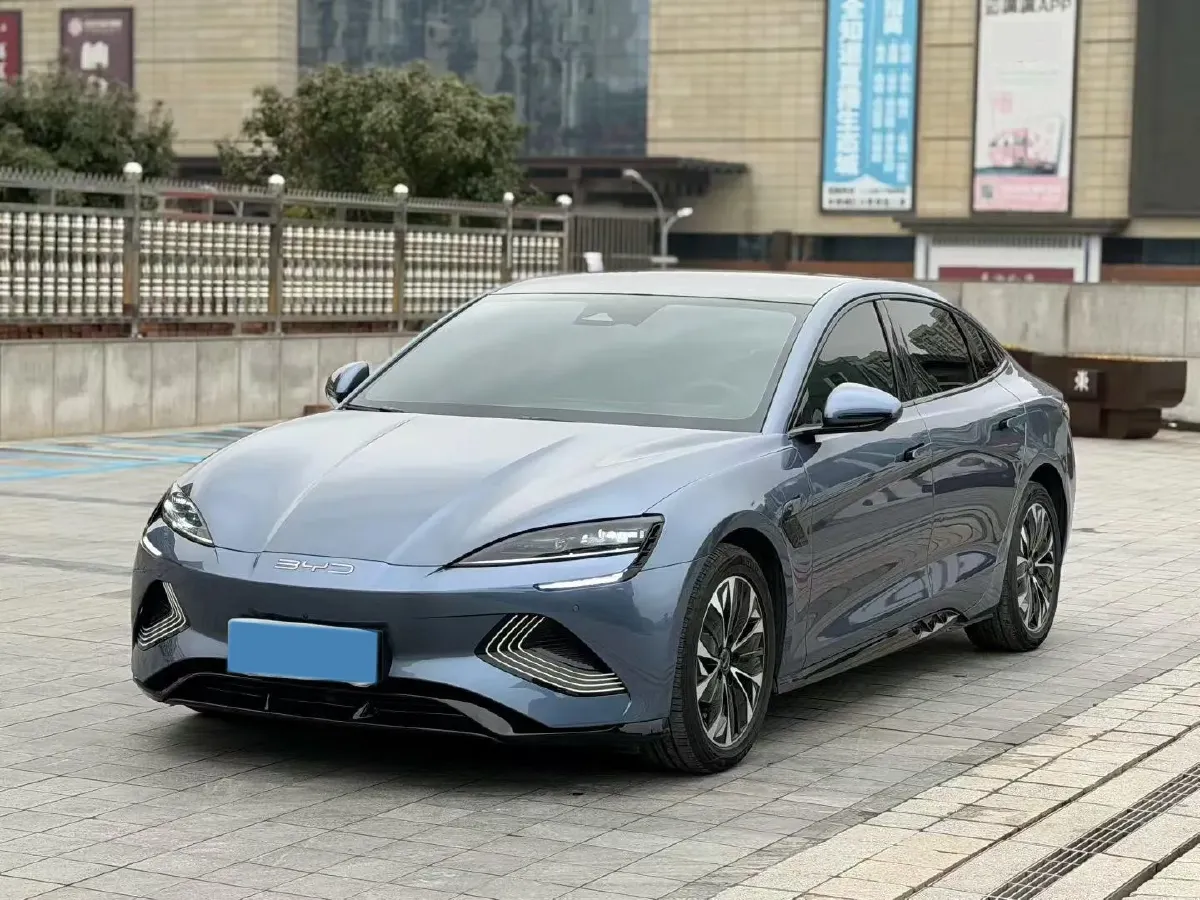
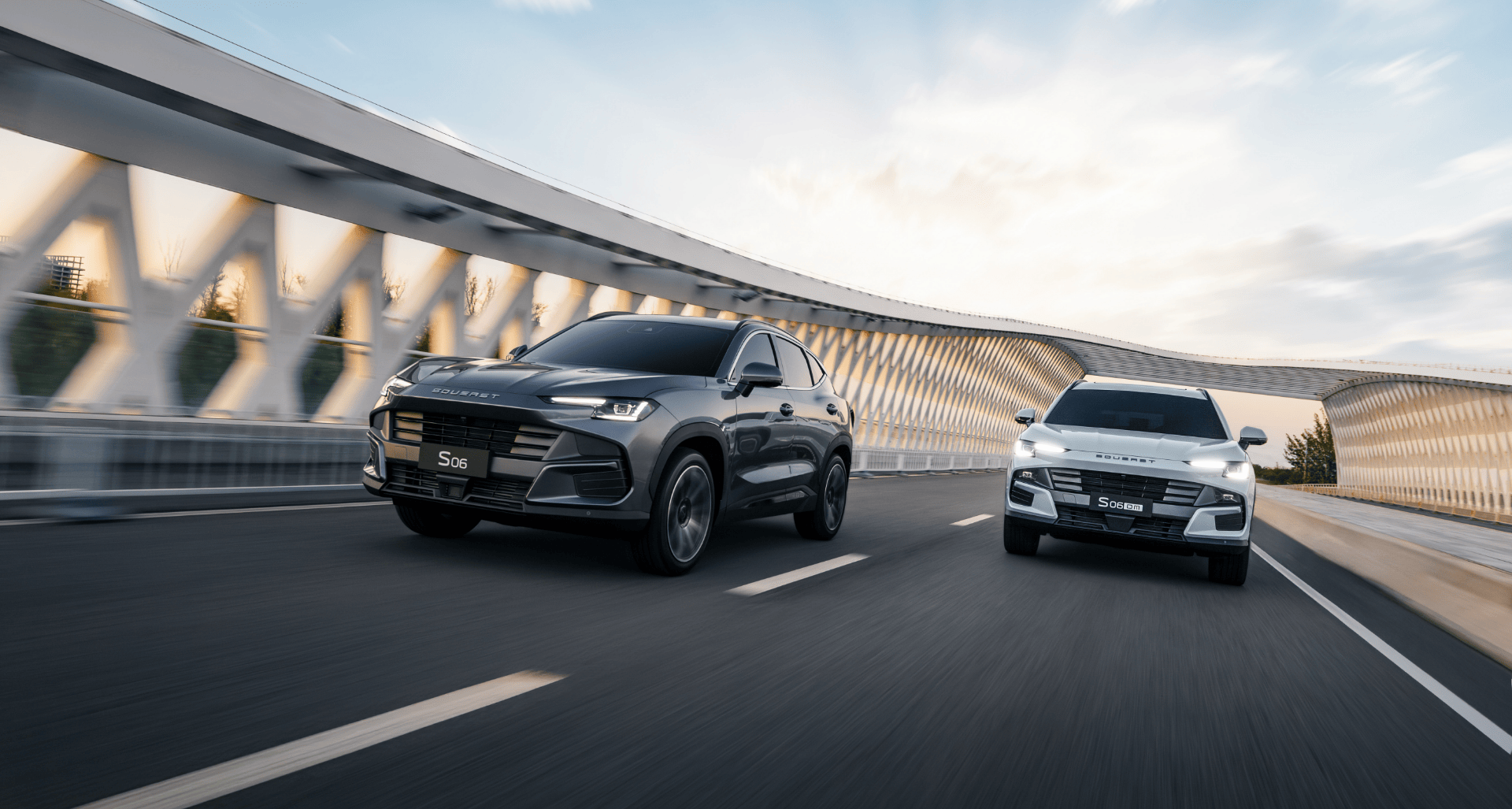
Here is what most people will not say out loud. Most Nigerians are not buying cars. They are buying financial safety. That is why someone will spend 25 million naira on a 10-year-old Toyota with 110,000 miles on the clock, but panic at the thought of buying a brand new BYD or Changan at a similar or lower price. It looks irrational from the outside. From the inside, it is completely logical. Nigeria is a high-inflation economy where one bad financial decision can set a family back years. When a Nigerian buyer says "buy Toyota for resale value," what they are actually saying is: I need something I can convert back to cash if life happens. That is liquidity psychology. And it is rational. It is not ignorance. It is not resistance to change. It is a coherent economic strategy shaped by the specific reality of living in this market.
Why Toyota's Resale Value Is Not an Accident
Understanding why Toyota holds its value in Nigeria requires understanding how that value was built in the first place. Toyota has spent decades building what economists call network effects. More Toyotas on the road creates more mechanics trained to work on them. More trained mechanics creates more buyer confidence. More buyer confidence increases resale value. Higher resale value drives more purchases. And the cycle feeds itself, year after year, across every city in the country. This is not something Toyota planned in a boardroom specifically for Nigeria.
It is what happens when a reliable product becomes ubiquitous in a market over a long enough period of time. The value is real. The infrastructure that supports it is real. And dismantling it takes more than a better spec sheet. Toyota still makes exceptional vehicles. The engineering is sound, the reliability track record is genuine, and for a buyer whose primary concern is knowing they can sell quickly if they need to, Toyota remains one of the most coherent answers available.
Where the Calculation Is Changing
But here is the part of the conversation that is evolving quickly. When a brand new Toyota Camry costs 80 million naira, the buyer pool that can afford it has changed. At that price point, the person writing the cheque is no longer buying a practical family car with solid resale value as the primary motivation. They are buying at a level where the comparison set includes genuine luxury alternatives — vehicles that offer meaningfully more technology, more comfort, and a more current ownership experience for the same money or less.
The liquidity argument weakens when the price of the "safe" option climbs into territory where the alternative is a brand new, fully specced vehicle from a manufacturer investing seriously in the Nigerian market. The network effects that protect Toyota's resale value at 15 million naira carry less weight at 80 million naira, because the buyer at 80 million naira has more options and different priorities.
The Honest Version of the Resale Conversation
The resale value logic is not wrong. It is just incomplete when applied without accounting for the price paid in the first place. A Toyota bought at fair market value, maintained properly, and sold at the right time protects the buyer reasonably well. A Toyota bought at a heavy retail markup, driven for two years and sold into a market where the landing cost is significantly lower than the purchase price — that is a different calculation, as we covered in an earlier post on how importing changes the depreciation equation.
The question every buyer should be asking is not "which badge holds its value best in the abstract?" The question is "what am I actually paying, what am I getting, and what will this cost me when it is time to exit?" Those numbers, worked through honestly, produce different answers for different buyers at different price points.
One More Thing
We currently have a 2024 Toyota Highlander Limited Hybrid available for 95 million naira. If you are in the market for a Toyota that justifies its price with genuine specification — hybrid powertrain, premium trim level, current generation — this is worth a conversation. Reach out to the Aladi Autos team for details.