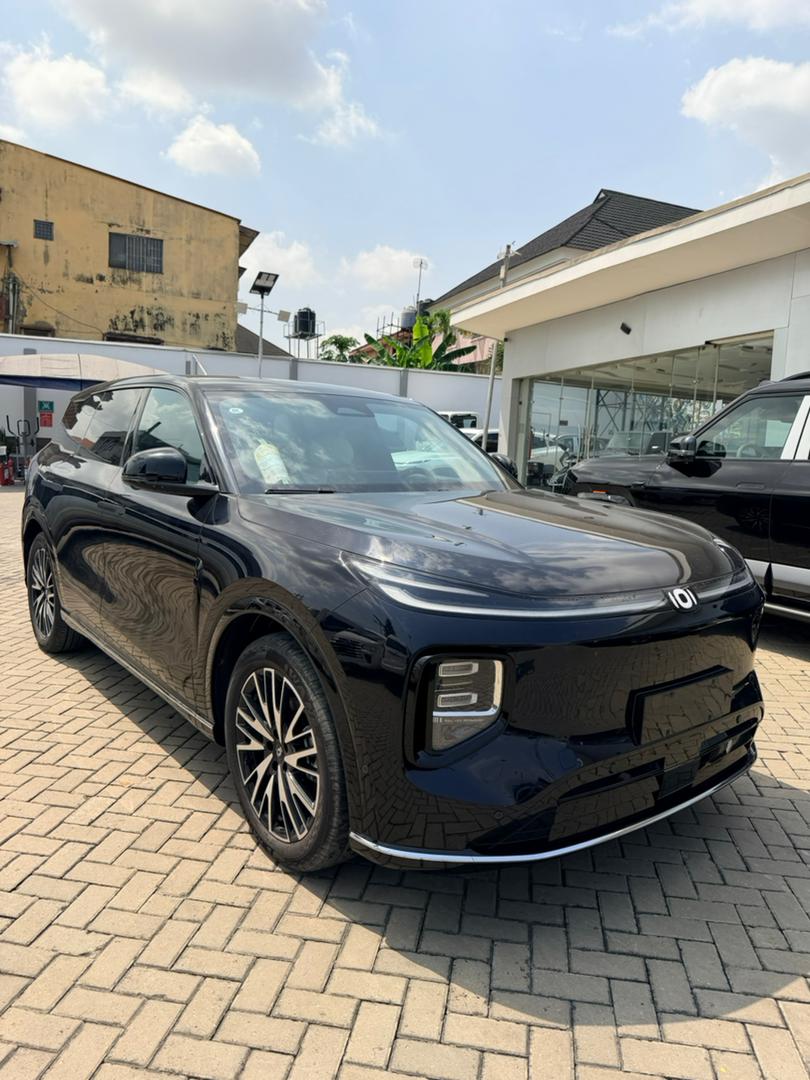
2025 Aeolus Sky 01 EV - Modern Electric Compact SUV
A stylish and efficient all-electric SUV from Dongfeng's Aeolus brand, offering a perfect balance of tech and daily utility.
The interior is centered around a minimalist aesthetic, featuring a massive vertical touchscreen that integrates almost all vehicle controls, significantly reducing physical buttons. High-quality soft-touch materials and ergonomic seating ensure a premium feel for both the driver and passengers, while the spacious flat-floor design offers class-leading legroom.
Technologically, the Sky 01 is equipped with a comprehensive suite of safety and convenience features. From its advanced 360-degree camera system to its intelligent battery management, this vehicle is engineered for reliability. For the Nigerian market, it represents a forward-thinking choice for those looking to bypass rising fuel costs without sacrificing luxury or performance.
Detailed Specifications
Key Features & Tech
Core Performance
- CLTC Range of 520km
- Fast Charging Capability (30% to 80% in 30 mins)
- Level 2 ADAS Suite
- Panoramic Glass Roof
- Hidden Smart Door Handles
- Floating Center Console
Interior & Comfort
- 13.2-inch Vertical High-Definition Touchscreen
- Premium Perforated Eco-Leather Seats
- Multi-color Interior Ambient Lighting
- Dual-zone Smart Climate Control
- Spacious 5-Seater Cabin Layout
Safety & Intelligence
- AI-Powered Voice Command System
- 360-degree Panoramic Parking Camera
- Wireless Phone Charging Pad
- Remote Vehicle Monitoring via App
- Over-the-Air (OTA) Updates
Aladi Insight
Urban professionals, small families, and tech enthusiasts in Lagos or Abuja who want a modern daily driver with low running costs.
Buyers who frequently travel to remote rural areas where electric charging infrastructure is non-existent.
Moderate; as the Nigerian EV market matures, established Chinese brands like Aeolus are expected to hold value better than obscure startups.
As a Dongfeng-associated brand, major components are reliable; specific body parts and high-tech sensors currently require specialized import from China.
Estimated 80% reduction in energy costs compared to petrol, with significantly lower maintenance costs due to fewer moving parts.